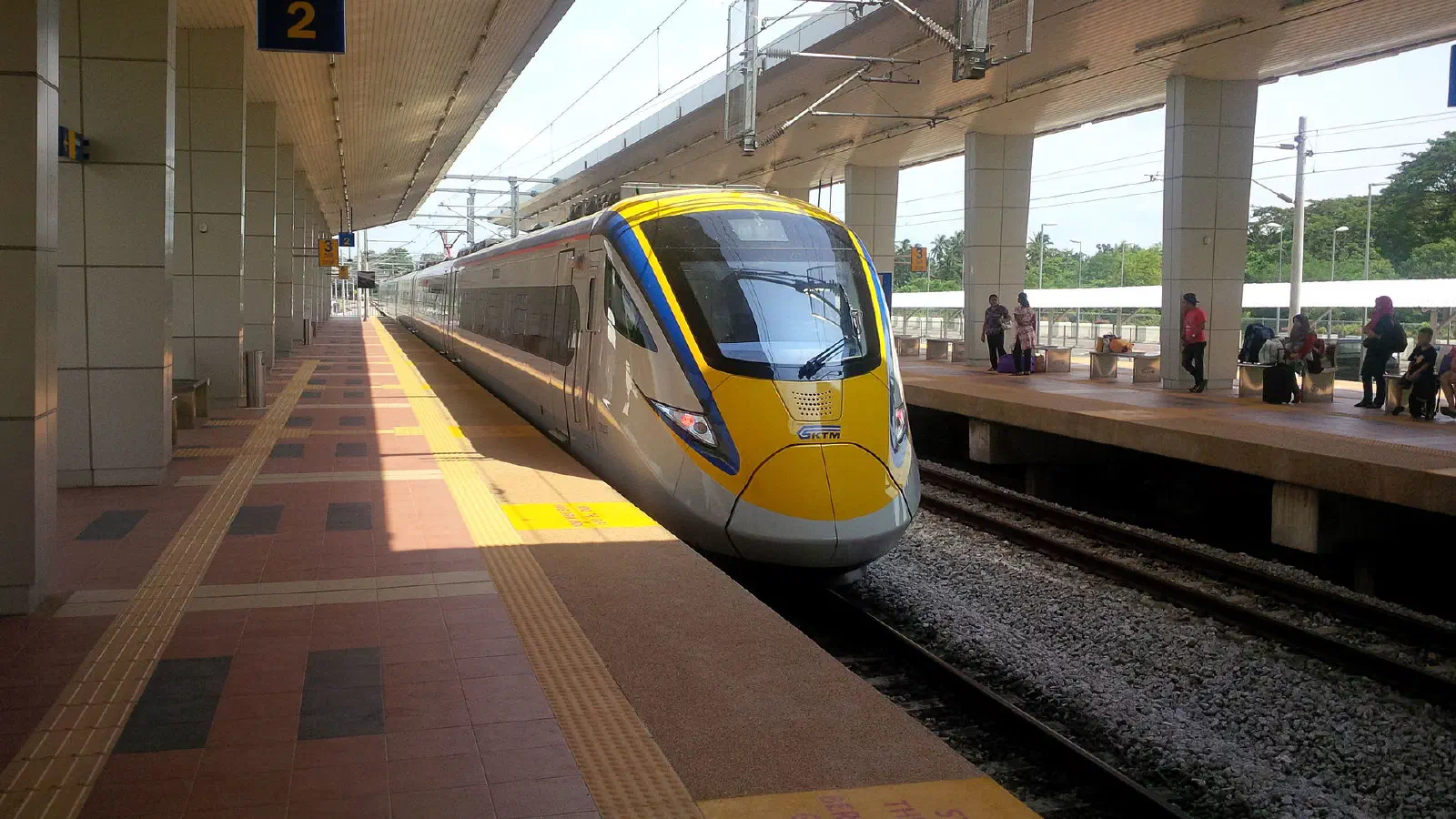
Photo: Slleong / Wikimedia Commons, CC BY-SA 4.0, cropped
Getting around Malaysia: flights, trains, buses and more
How to travel around Malaysia by plane, train, bus, car and boat, with tips on booking, Grab, Touch 'n Go and getting to the islands and Borneo.
On this page
Malaysia has good transport for a country its size. On the peninsula, trains and express buses link the main cities, and short domestic flights cover the longer hops. Getting to Malaysian Borneo means flying. Here’s how it all fits together.
Flying
Domestic flights are the fastest way to cover long distances, and the only practical way to get between Peninsular Malaysia and Sabah or Sarawak. KLIA, and its budget terminal KLIA2, are the main hubs, and budget airlines fly to most cities.
- Book early for the best fares, especially around school holidays and festivals.
- Check baggage rules. Budget fares often don’t include checked bags.
- Borneo needs a passport. Sabah and Sarawak run their own immigration checks, so foreign visitors need their passport even on domestic flights.
Trains
- ETS (Electric Train Service): Fast, comfortable trains on the west coast line, linking KL with Ipoh, Butterworth (for Penang) and further north towards the Thai border, and south towards Gemas. The easiest way to do KL–Ipoh–Penang.
- KTM Komuter: Suburban trains around KL and the Klang Valley, including to Batu Caves.
- East coast “jungle railway”: A slower line through the interior from Gemas up to Tumpat near Kota Bharu. Scenic and slow, for people who enjoy the journey.
- Booking: Buy ETS tickets online through KTMB’s site or app. Trains sell out at weekends and during holidays.
Express buses
Long-distance buses go almost everywhere on the peninsula, including places the train doesn’t reach, like Melaka, the Cameron Highlands and the east coast jetties. They’re cheap, mostly comfortable, and air-conditioned (bring a jumper, it’s cold).
- Book online through bus booking sites or apps, or at the terminal.
- In KL, most long-distance buses leave from Terminal Bersepadu Selatan (TBS), which is linked to the train network.
- Overnight buses are handy for long routes, such as to the east coast jetties.
Grab and taxis
Grab is the main ride-hailing app. It’s widely used in cities and towns, fares are fixed before you ride, and it also does food delivery. In smaller places there may be fewer drivers, so allow extra time. If you take a regular taxi, ask for the meter or agree the fare before you get in.
Driving
Renting a car gives you the most freedom, especially for the Cameron Highlands, the east coast and rural areas.
- Malaysia drives on the left.
- Highways are good, and many are tolled. Tolls are paid electronically, so check how your rental car handles it.
- Check the current licence rules for foreign drivers before you go. You may need an International Driving Permit.
- Expect traffic jams in KL and around holidays, when everyone heads back to their hometown (balik kampung).
Boats
Ferries and speedboats link the mainland with the islands:
- Langkawi: ferries from Kuala Perlis and Kuala Kedah, or fly
- Penang: ferry from Butterworth, or drive over the bridges
- Perhentian Islands: from Kuala Besut
- Redang: from Merang or Kuala Terengganu
- Tioman: from Mersing or Tanjung Gemok
East coast island boats are seasonal and mostly stop during the year-end monsoon.
Getting around cities
- Kuala Lumpur: LRT, MRT, monorail and buses cover most of the city. See Kuala Lumpur on a budget.
- Penang: Walk around George Town, and use Rapid Penang buses or Grab for further out.
- Smaller cities: Walk the old town and use Grab for everything else.
New to Malaysia? Start with our first-time in Malaysia guide.
Keep reading
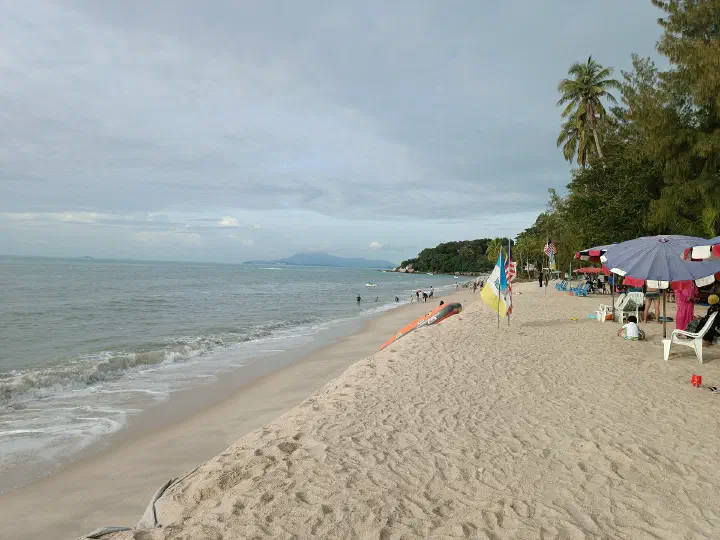
Guide
Malaysia packing list: what to bring and what to leave
What to pack for Malaysia: clothes for heat, rain and temples, the right plug, health and island essentials, and what …
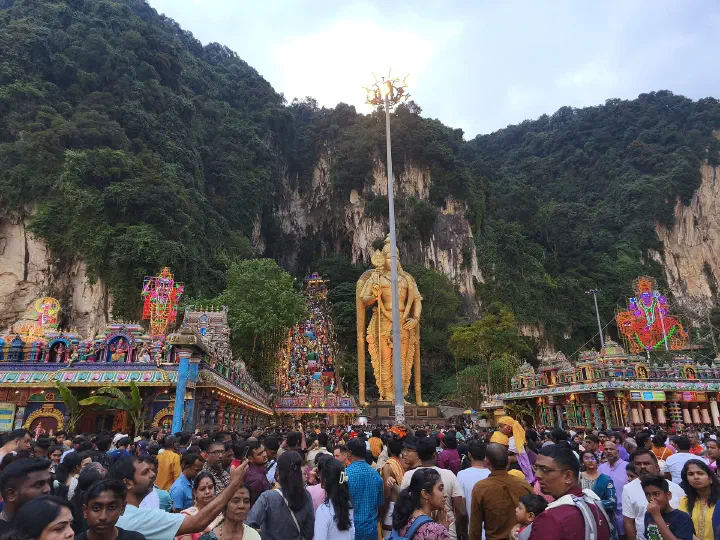
Guide
Malaysian festivals: a year of celebrations
Chinese New Year, Hari Raya, Thaipusam, Deepavali, Gawai and more: what Malaysia's big festivals are, when they happen …
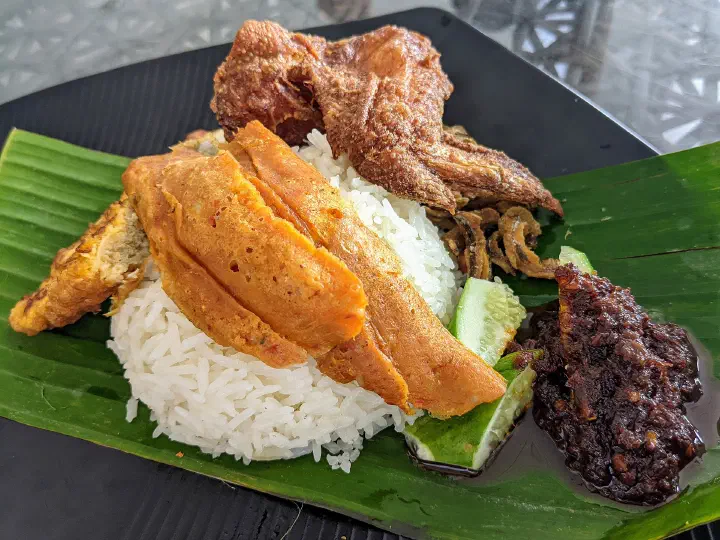
Guide
Malaysian food: what to eat and how to order
A beginner's guide to Malaysian food: the dishes to try, how hawker centres work, how to order drinks like a local, and …