Photo: yeowatzup / Wikimedia Commons, CC BY 2.0, cropped
Kota Bharu
The heart of Malay culture in Kelantan: a famous women-run market, kite-making and batik, blue rice, and quiet Buddhist temples near the Thai border.
On this page
Kota Bharu, the capital of Kelantan in the far northeast of the peninsula, is often called the cradle of Malay culture. Traditional crafts, music and food are still part of everyday life here. It’s a conservative, unhurried city that most travellers pass through on the way to the Perhentian Islands, but it’s worth a day or two of its own.
Why go
- Malay culture, up close. Kite-making, batik, songket weaving, silat and traditional music.
- The food. Kelantanese cooking is distinctive: sweeter, richer, and very colourful.
- Something different. Few foreign tourists, and a slower pace than the west coast.
What to do
Siti Khadijah Market
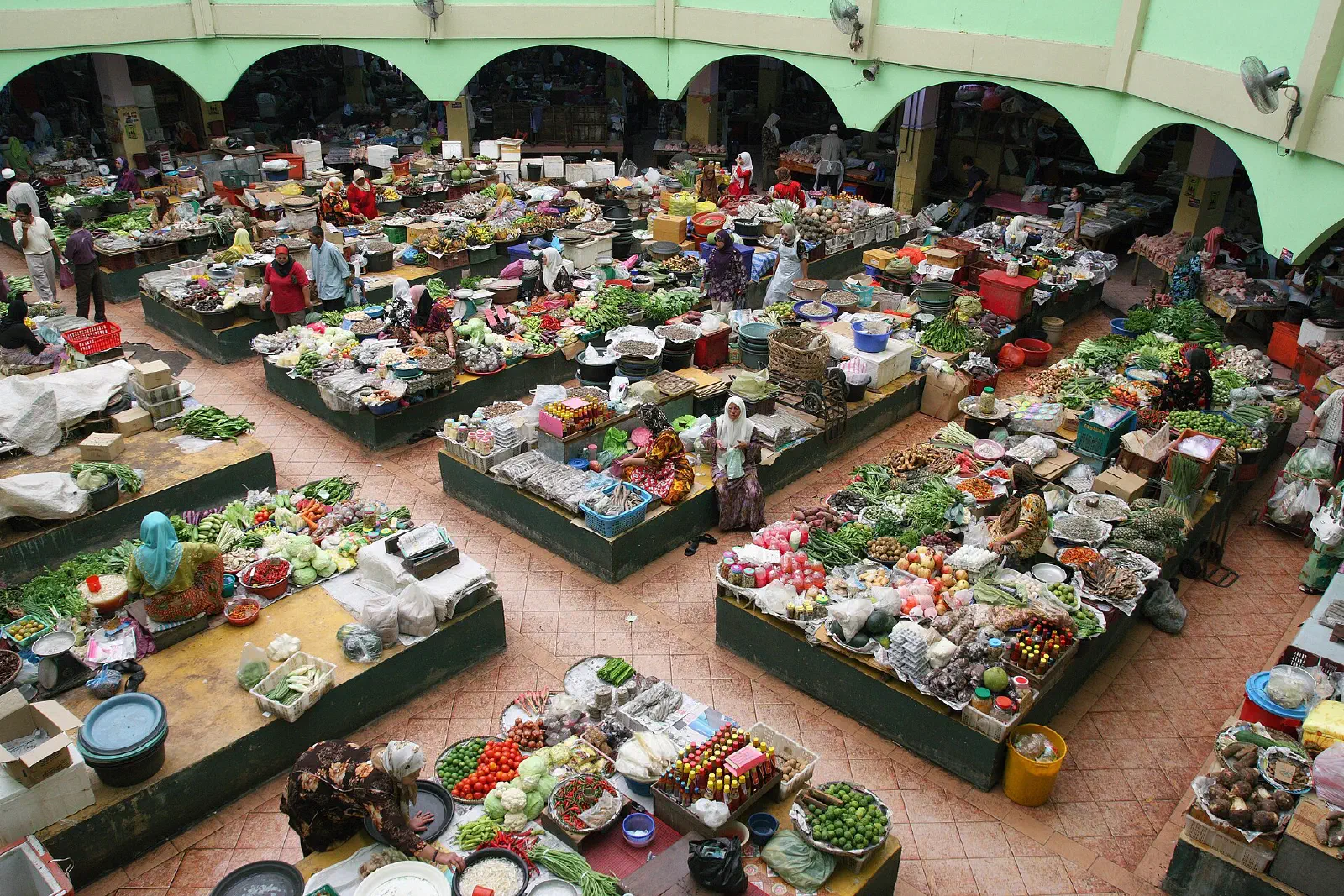
The city’s central market is famous for being run mostly by women traders. Stalls of fruit, vegetables, spices and snacks fill the ground floor around a central dome. Go upstairs for a view over the colourful chaos, and for cheap breakfast stalls. Mornings are the liveliest.
The royal quarter
Near the market, Istana Jahar is an old royal palace with fine woodcarving, now a museum of Kelantanese ceremonies and royal customs. The nearby Istana Batu is another royal museum, and Masjid Muhammadi is the city’s historic main mosque.
Traditional crafts
Visit workshops around town and on the road towards the coast to see batik painting, songket weaving, silverwork, and wau (the large, decorated Kelantanese kites). Kampung Kraftangan, the handicraft village near the museums, is a good place to start.
Buddhist temples near the Thai border
Kelantan has a long-standing Siamese Buddhist community. In the Tumpat area, a short drive north, you’ll find Wat Photivihan with its huge reclining Buddha, and Wat Machimmaram with a giant seated Buddha.
Masjid Kampung Laut
One of the oldest mosques in Malaysia, built of wood without nails, and moved from its original riverside site after floods. A lovely example of traditional Malay architecture.
Pantai Cahaya Bulan
The local beach, popular with families in the evening. It’s for sunsets and snacks rather than swimming.
What to eat
| Dish | What it is |
|---|---|
| Nasi kerabu | Rice dyed blue with butterfly pea flowers, served with herbs, fish crackers and coconut |
| Nasi dagang | Rice steamed with coconut milk, served with fish curry. A breakfast favourite |
| Ayam percik | Grilled chicken basted with a spiced coconut sauce |
| Laksam | Thick rolled rice noodles in a creamy fish-based gravy |
| Solok lada | Green chillies stuffed with fish and coconut |
| Kuih | Kelantan is known for its many sweet cakes and snacks. Try akok |
The market and the night food stalls are the best places to try it all.
Getting there and around
- By air: Kota Bharu’s airport has flights from KL and is the closest airport to the Perhentians.
- By train: The east coast “jungle railway” ends near Kota Bharu, at Tumpat and Wakaf Bharu.
- By bus: Express buses run from KL and other east coast towns.
- Getting around: The centre is walkable. Use Grab or a taxi for temples, crafts villages and the beach.
Where to stay
Stay in the city centre near the market and museums. Hotels are generally simple and good value.
When to go
Avoid the northeast monsoon, roughly November to February, when heavy rain can cause floods in Kelantan. The rest of the year is hot and humid. Ramadan is an interesting time to visit for the evening food bazaars, but daytime eating options are limited.
Keep reading
Southern Malaysia
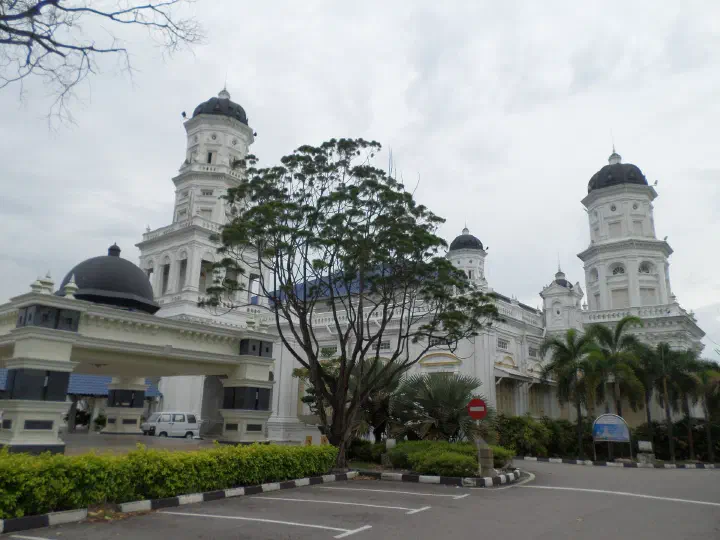
Johor Bahru
Malaysia's southern gateway, just across from Singapore: a compact heritage quarter, Johor food, theme parks and easy …
Borneo
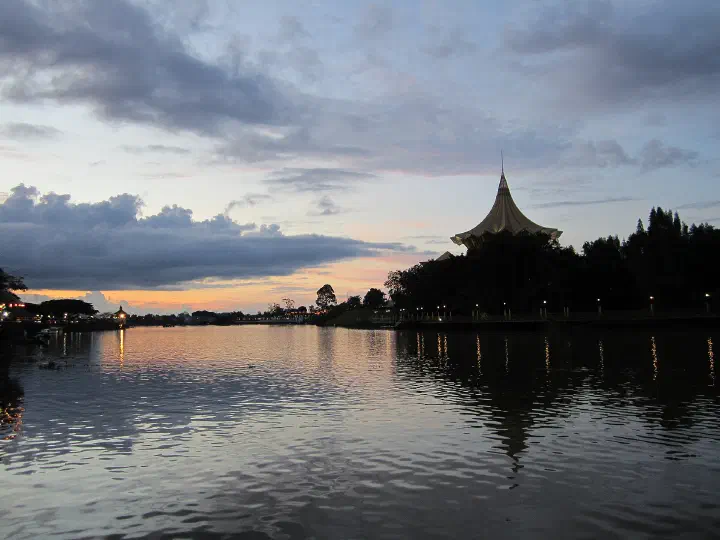
Kuching
Sarawak's laid-back capital: a riverside old town, Sarawak laksa, and orangutans and proboscis monkeys less than an hour …
Northern Malaysia
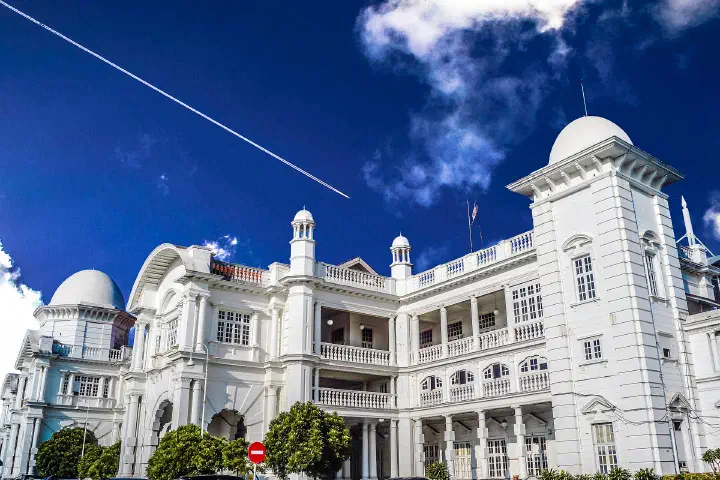
Ipoh
Old town murals, cave temples in limestone hills, and famous food: white coffee, bean sprout chicken and silky hor fun. …